















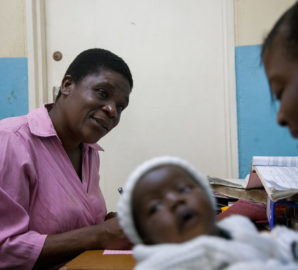
Gender inequality and stringent cultural beliefs left women most vulnerable to the HIV epidemic. With the coronavirus, Malawi mustn't repeat the same mistakes.

The pandemic has further revealed how workers in the global garment industry — especially women, who make up nearly three-quarters of garment workers — are sacrificed as economic collateral, and how fast fashion prioritizes profits over people.

While Colombian media covers stories of sexualized violence in almost exploitative detail, it fails to highlight the victims’ ethnicity and race, thereby following a long tradition of obscuring who in the country is disproportionately victimized, as well as hiding the underlying structural causes that leave them most vulnerable.

While Greece has slowly begun to reopen, overcrowded refugee camps on the Greek island of Lesbos are still under lockdown. And without government intervention, experts and activists say that residents there are just sitting ducks waiting for an outbreak of the coronavirus to sweep through the camps like wildfire.

Years after Marawi was liberated from jihadists loyal to the Islamic State, thousands of residents have not been allowed to return to their own land. Now, they face the government’s backhoes contracted to flatten the remnants of their ancestral property to commercialize the city and make it a tourist destination.
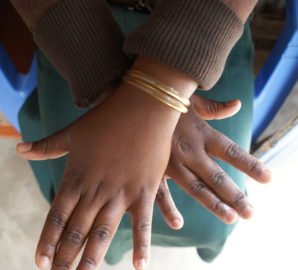
As climate change and the pandemic inflate food sales, families in Kenya's slums, already sunken into poverty, are resorting to marrying off their young daughters.
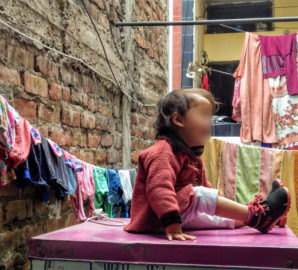
Cases under India’s Protection of Children from Sexual Offenses Act are meant to be fast-tracked, but the reality of the judicial system's backlog often means that those cases can drag on for years. One of Delhi's most infamous and horrific rape cases is among them. Amid the long slog of court appearances, postponements — and now, the pandemic — a child victim grows up.
- 2026
- 2025
- 2024
- 2023
- 2022
- 2021
- 2020
- 2019
- 2018
- 2017
- 2016
- 2015
- 2014
- 2013
- 2012