















WMC Women Under Siege
Women in South Africa are living in a war zone
This year has been especially horrific for the women of South Africa. On October 15, two little girls, aged 2 and 3, were found in a public toilet in Diepsloot, a settlement in the north of Johannesburg, according to news reports. The girls, both cousins, who had been abducted in broad daylight, had been raped and strangled.
WMC Women Under Siege
What's going on in Syria is about a lot more than chemical weapons
We're off talk of "intervention" in Syria, and on to trying to get everyone to the negotiating table. It's not going very well.

WMC Women Under Siege
October 25, 2013 International,
Violence against women
Women under siege (and on the Web) this week
Our roundup of what's happening around the world and around the Web when it comes to women, war, and sexualized violence this week.

WMC Women Under Siege
Shutting us down: How online misogyny prevents women from fully participating in democracy
There are two major barriers to women’s full participation in the democratic process in the UK at the moment—the first relates to their taking part in the vital and shaping process of grassroots activism, and the second to their participation in more traditional political careers.

WMC Women Under Siege
The Index: Rape in War
Number of countries that signed the UK and UN’s Declaration of Commitment to End Sexual Violence in Conflict: 128. Countries that refused to sign the declaration at the UNGA on September 24: 80...
WMC Women Under Siege
'Their untold stories eat away at them': Rape and the women of Mali
In late September, a Malian woman told UN workers that she had been raped, and identified four Chadian soldiers—UN peacekeepers—as her rapists, according to a BBC report. A UN spokesman issued a statement a few days later, reaffirming the organization’s zero commitment policy against sexual abuse and calling on the Chadian government to fully investigate the matter.

WMC Women Under Siege
October 11, 2013 | Fariba Nawa |
International
Afghanistan’s widows of the disappeared
Sabah Mohammed sat at the dining table where she worked in Fremont, Calif., her gaze distant and lost. She wondered if her husband was out there somewhere with another wife and family. Or maybe he was dead. Or maybe he was in a prison camp in Siberia.

WMC Women Under Siege
10 must-read books on sexualized violence in war
Our mission here at WMC’s Women Under Siege is to add to the public record on sexualized violence in conflict. But if you’re just setting out to learn more about a topic as complicated as this, figuring out where to begin might seem a bit daunting.
WMC Women Under Siege
Burma refuses to relinquish rape as weapon of war
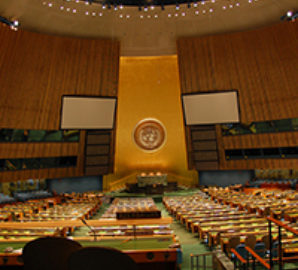
On September 24, British Foreign Secretary William Hague’s initiative to end sexualized violence in conflict zones took the 2013 UN General Assembly by storm. The event was hosted by Secretary Hague and Zainab Hawa Bangura, special representative of the Secretary-General on sexual violence in conflict, and included speakers from 27 member countries.
More In WMC Women Under Siege
Archive
- 2026
- 2025
- 2024
- 2023
- 2022
- 2021
- 2020
- 2019
- 2018
- 2017
- 2016
- 2015
- 2014
- 2013
- 2012