
















Following the United Nations' High-Level Conference on the Situation of Rohingya Muslims and Other Minorities in Myanmar, international human rights lawyer Michelle Onello argues that no solution to the crisis is valid or viable without the meaningful, safe, and inclusive participation of Rohingya women.

It may surprise many that women like Farida — who once dreamed of being a nurse — would join a violent extremist group, but their reasons are varied and complex. And it takes a holistic state response not only to stop them from joining but also to pull them out.

On August 15, as India was celebrating the 75th anniversary of its independence, 11 men convicted of gang-raping a Muslim woman in 2002 were granted premature release from their life sentences.

In the Philippines, there aren't enough resources to go around to support a coordinated strategy against child sex trafficking in online spaces.

It has been five years since the Marawi Siege ended, and while the government has steadily completed infrastructure projects at the former heart of the firefights, the Maranao people have not been able to return to their ancestral lands. Many suspect that the government’s plans to commercialize the city are what's really preventing the IDPs from returning.

The competition for the presidency, between the only son of a “strongman” and a widow, resonates with the enduring friction between a woman-centered native culture and the infrastructure of patriarchal political dynasties bred by colonialism in the Philippines.

In a culture that can see girls as a burden, many women opt to abort their female fetuses — even though it's illegal.

Philippine President Rodrigo Duterte's "heavy-handed and punitive" — and exceedingly militarized — pandemic strategy largely accounts for why the Philippines continues to suffer nearly two years on.

"TIBBI," a telehealth solution meant to digitize the operations of lady health workers (LHWs) in Pakistan for better efficiency, has been ill-received by their patients: workers reported being yelled at and thrown out of homes for being vulgar and recording information on their devices.
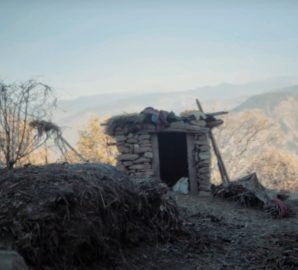
Across western Nepal, tradition remains stronger than law as villagers find new ways to partake in “chhaupadi,” the age-old tradition of exiling women during menstruation because periods have been long considered impure.

Myanmar's garment worker union members are not only fighting for an end to military dictatorship; they are also fighting for the elimination of systemic harassment and violence that has plagued their lives long before the coup.
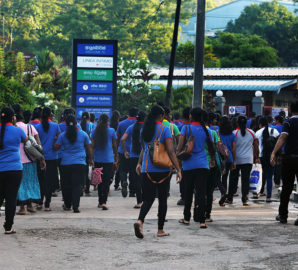
Without systematic laws and labor protections to acknowledge and defend their rights, LGBTQ+ persons working in Sri Lanka's economic zones are left at the mercy of their employer's biases.
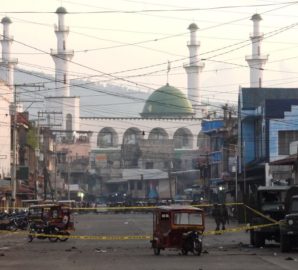
The Philippines is witnessing a rise in women leading suicide missions, leaving the government challenged to simultaneously understand them and anticipate their next move.
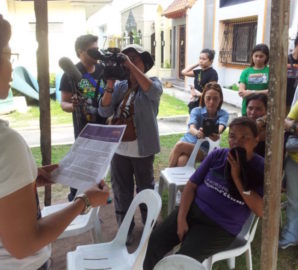
Philippine President Rodrigo Duterte's pardon of US Marine Lance Corporal Joseph Scott Pemberton in the killing of Jennifer Laude, a transPinay, in a hotel room in Olongapo reflects the country's historic subservience to US military interests.

In a primary school classroom, Deepa Das holds back tears as she explains to her 6-year-old daughter why she doesn’t have enough clothes for her. Eight days ago, as heavy monsoon rains lashed the state, Das’ home, which lies in a village behind the school where she is taking shelter, was completely flooded in the space of an hour.





When the loudest voices against sexualized violence against women have never caused anyone discomfort, it is safe to say that no one thought that their attitudes on women were being challenged. India's Daughter is the first time that those who knowingly or unknowingly espouse rape culture have been unnerved enough that they feel the need to shoot the messenger.

In a visit to India in January, U.S. President Barack Obama said women everywhere should be able to “walk the street or ride the bus and be safe.” They should be “treated with respect,” he said. Yet less than two months before that visit, a 26-year-old woman from Delhi said she was raped by a taxi driver for Uber, a Web-based taxi firm that allows passengers to book rides using a phone app.
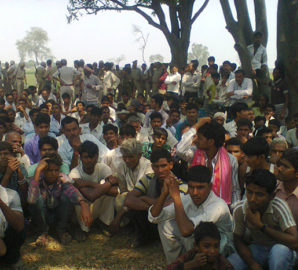
On May 28, 2014, most Indian newspapers ran front-page stories about two teenage girls, cousins, who had been hanged in the Indian state of Uttar Pradesh after being allegedly gang-raped. Some papers also printed the disturbing image of the girls’ bodies hanging from a mango tree in their village. The public display of the young girls, wearing blood-stained clothes and riddled with thorns, caught India’s attention.

Irom Sharmila, 42, has long advocated for the repeal of India’s Armed Forces (Special Powers) Act, or AFSPA, which gives the Indian army legal immunity for various brutal actions. She has been arrested again and again since starting a hunger strike in November 2000. “I have spent 14 years of my life chewing my tongue just for violence on all sides to end,” she has said.
