
















The only way it’s going to change is if we talk about it and begin to shy away from thinking the sun is the enemy and being dark is a bad thing.

“Someone You Know” is a timely new short documentary that follows the stories of three women who underwent late-term abortions.

Black women are especially vulnerable to harm derived from hair styling practices.

The idea of normalcy is something of a paradox when it comes to cosmetic procedures.

Those keeping up with celebrity news are likely aware of the speculation about stars using Ozempic, a drug approved by the FDA in 2017 as a treatment for diabetes, but which is currently often used as a weight loss drug.

In 2021, an Argentinian organization called "Mujeres Que no Fueron Tapa" ("Women Who Weren't in the Cover") launched the hashtag #HermanaSoltaLaPanza, which can be translated to mean #SisterFreeTheBelly, to start a discussion about body image.
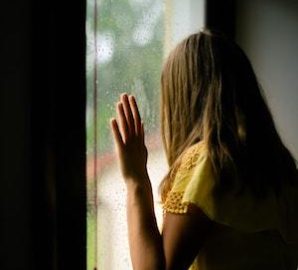
At what age did glancing at the mirror become a foreboding task?

While fat shaming is commonly acknowledged as a form of bullying, it is often left out of the conversation on gender-based violence.

Over everything, we need to teach girls early to be kind to themselves and about positive body image as early as possible

On July 6, a diverse group of women in Uruguay presented a proposed law to the country’s parliament that would create a standard guideline to establish the same set of sizes for all clothes.
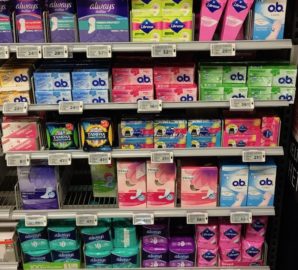
Menstruation has long been stigmatized in our society, often portrayed as shameful or embarrassing rather than a natural function of the human body.

When COVID-19 led to a relaxation of that code due to the desire to take some stress off students, I thought I finally had the opportunity to fully express myself without judgment or repercussions.

Ed and I became so close that sometimes I had a hard time distinguishing Ed from Sam. Eventually, he banished Samantha. He changed my life. He changed our life.

Everybody (Else) Is Perfect: How I Survived Hypocrisy, Beauty, Clicks, and Likes is an exploration of how Korn survived an imperfect industry stilted by itself.

I was able to conduct my very own social experiment, in my mind, of how people react after they are face-to-face with part of a woman’s body they have been told is shameful.

Young black children can perceive ourselves as unworthy, awful, and ugly. We see the racism in the world that sends these messages, and internalize it.

Why do women buy into anti-aging promises that seek to stop life’s most natural process? The answer lies within the ingrained ageist and gender stereotypes that are woven deep in society that negatively affect women’s self-perception, creating the belief that they need to buy these anti-aging products.

Womxn in Yucatan, Mexico, fight misogyny, homophobia, classism, and racism on a daily basis. Some womxn in the state are fighting back through the arts. One such community doing so is the Yucatecan ballroom scene.

I recently launched the Instagram project @BeingDressCoded to create a space in which we don’t just observe individual stories about dress codes but can look for patterns and learn from a larger, collective story about sexism and sexual objectification.

Although unearthing the trauma this illness has caused has been difficult, it has also taught me a lot about what it means to stand up for myself and the countless other people who have been affected by it.

That an American celebrity considered it lucrative to not only market a skin lightening brand abroad, but also travel all the way to Nigeria to promote it, says a lot about the socio-economic influence skin lightening products have in West Africa.

Beyond not feeling represented or seen by my doctors, the persistence of a binary understanding of sex and gender in the medical field has failed to account for the way I, and patients like me, deserve and need to be treated.

The recent backlash to Holliday’s magazine cover proves that we still need to do more to make our society’s beauty standards more inclusive.

When one is trying to shame, embarrass, or call into question the reputation of a woman, exposing her body is often the first weapon used to do sob

I began to feel like being fat was my fault, that it was a personal failure. Eventually, my only goal was to be thin, thinner, thinnest. Even when I lost weight, however, I still couldn’t please my critics.