















Even at diplomatic altitude, a woman leader may be introduced first as a woman and only second as a leader.


“Someone You Know” is a timely new short documentary that follows the stories of three women who underwent late-term abortions.

In early January, the City of St. Paul, Minnesota, made history when a young, diverse, all-women team was sworn into seven city council seats.

One gender-related issue that Republican caucusgoers seemed to align with liberals on? The “tampon tax.”

A year after protests in Iran erupted over a Kurdish woman’s death, initiating the largest uprising against the country’s clerical rule since the 1979 Islamic Revolution, activists continue to fight.

It is critical to encourage high schoolers to study public policy, work for the government, or run for office to improve women’s education, health, and rights.

I will be a first-time voter in the 2024 presidential election, and I hope that I will be able to see other members of my generation who are of age at the polls, informed about current issues, and filling out ballots with confidence.

It’s Her Right has a community of 150+ members, all women dedicated to creating change and battling the gender gap in politics.

New research shows that American media remains biased against female politicians.
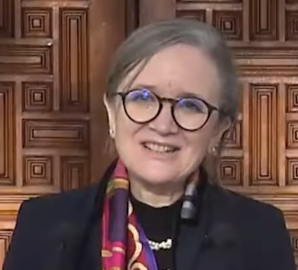
Bouden’s mere presence in one of the highest political offices in Tunisia has led to a genuine shift in national attitudes about women leaders, and that must not be overlooked.

Montana state Rep. Zooey Zephyr has recently been thrust into the national spotlight after her Republican colleagues voted to remove her from the floor following comments she made about S.B. 99, one of a wave of anti-trans legislation introduced across the country.

Italian politics are at a fork in the road with women leading the way on either side.

As a Gen Z woman serving on a school board in America, I was not shocked to see the Missouri legislature recently passed a new dress code for women legislators and staff members in the State House of Representatives.

We still have a long way to go toward reaching equality in politics.

Brazilians were able to celebrate the election of many candidates from more diverse, just, and feminist backgrounds.
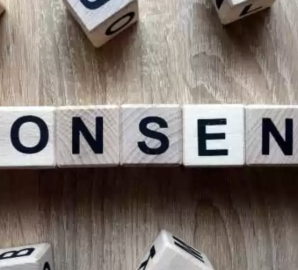
In August, the Spanish congress passed a law that reframes the importance of consent in cases of rape and sexual assault, joining countries like Canada, Sweden, and Denmark with similar laws.

In a post-Roe v. Wade America, methods to prevent pregnancy are more important than ever.

Our country is supposedly the “land of the free” and yet women’s choices about their reproductive health and autonomy are being forced by a government that is in turn influenced by certain religions.

On June 1, Illinois officially repealed its Parental Notice of Abortion Act (PNA), which required the guardians of patients under 18 to be notified at least 48 hours before the patient received an abortion.

The worst part is that when the next school year comes around, I know more casualties and more pain and more headlines will arise, because our system allows virtually anyone to own a gun, and despite public sympathy and outrage for the unthinkable choices of the gunman and innocent lives of the students, nothing has changed.

Despite an undeniable record, she was still subjected to transparent provocation.

On March 9, the Mississippi House of Representatives killed a bill that would have allowed mothers to keep Medicaid coverage for a year after giving birth.

South Korean politics took a right-wing, anti-feminist turn during the presidential election in early March.

On March 8, while many celebrated International Women’s Day, Guatemala’s Congress approved the “Ley para la Protección de la Vida y la Familia” (Law for the Protection of Life and Family), which would punish abortion with up to 10 years in prison.