
















Isolated agrarian communities in the Indian state of Tamil Nadu were hard hit by the pandemic, experiencing increased poverty, the diversion of savings toward healthcare, and prolonged illness, forcing families to pull their daughters out of school and marry them off. Years later, attendance rates haven't recovered, and child marriages haven't subsided.

As Syria’s transitional government dismantles the Assad regime’s drug trade legacy, it must also remedy another crisis alongside it.

A network of 47 midwives across Mexico is stepping in to provide essential prenatal care to pregnant migrants along their journey north.

Between 1996 and 2000, former President Alberto Fujimori oversaw a family planning program under which more than 280,000 women and men were sterilized in Peru — mainly in poor, rural areas. Decades later, victims are still awaiting justice.

Around 70 percent of those killed in Gaza the last few months have been women and children, with two mothers killed every hour, and one child estimated to be killed every 10 minutes, according to UN sources.

Villagers often work in the mines, one of the only employers in Budhpura, and nearly all of them are eventually diagnosed with silicosis, a fatal and incurable lung disease. With their husbands gone and no alternative income sources to support themselves and their children, widows join the same profession that killed their husbands.

The risk of intimate partner violence is consistently higher among women living with HIV in sub-Saharan Africa than among those living without it — even for pregnant women, who are often first informed of their status during prenatal screenings.

While India is one of the few countries yet to criminalize marital rape, the high court recently ruled that victims of marital rape are entitled to a safe and legal abortion, establishing in Indian law that non-consensual sex can and does exist among married partners.

The WHO's new guidelines can serve as an authoritative confirmation for what American reproductive rights activists have always known: abortion is essential healthcare.

In a culture that can see girls as a burden, many women opt to abort their female fetuses — even though it's illegal.

In Lebanon, where childbirth care is highly medicalized and dominated by obstetricians in private hospitals, women are often persuaded to have cesarean sections, the revenue for which procedure is key for hospitals struggling to survive amid economic collapse.

About 400 women on average are prosecuted every year in the Andean country, blocking eligible women from accessing safe, timely, and free abortions. Underage girls are not exempt from such criminal prosecution and face sweeping sanctions, from restricted movement to mandatory community service, if convicted.

Only one gynecologist serves the 8,000 to 13,000 people of reproductive age who need those services in the municipality of Shuto Orizari in North Macedonia’s capital city, the only municipality with a Roma majority in the country. And as of last month, he’s no longer on duty.

Doctors in Nigeria have gone on strike at least four times since the start of the pandemic over unpaid wages; its last ended on October 4, after 63 days. We have no way of measuring the consequences for women and children, who were unable to access medical care in that time.

"TIBBI," a telehealth solution meant to digitize the operations of lady health workers (LHWs) in Pakistan for better efficiency, has been ill-received by their patients: workers reported being yelled at and thrown out of homes for being vulgar and recording information on their devices.

Across western Nepal, tradition remains stronger than law as villagers find new ways to partake in “chhaupadi,” the age-old tradition of exiling women during menstruation because periods have been long considered impure.
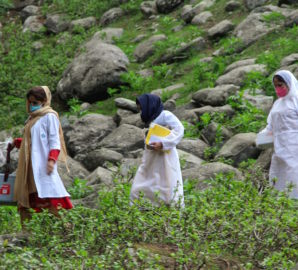
In Kashmir, a longstanding history of mistrust with the Indian central government stands in the way of more people getting vaccinated — including pregnant women, who are among the most vulnerable to COVID-19.
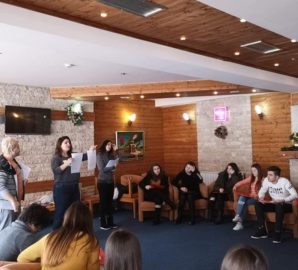
A new pilot program will be introduced in the upcoming school year to teach sex education to high school students in North Macedonia — and right-wing backlash has already arisen to challenge its implementation.
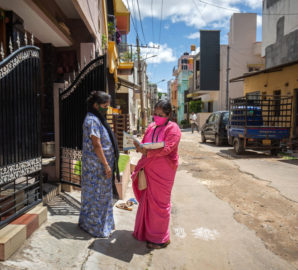
Overburdened and underpaid, India’s health workers, known as accredited social health activists (ASHAs) — all of whom are women — continue to work without sufficient PPE kits, facing harassment and stigma.
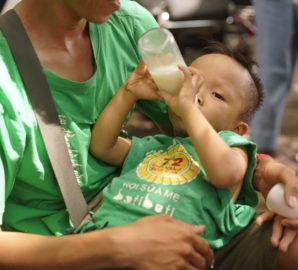
Infant formula brands are exploiting public health concerns by falsely suggesting they offer protection against COVID-19, according to new research.
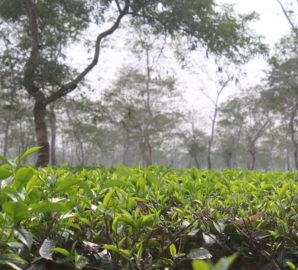
Pregnant workers in the tea gardens of Assam, a northeastern state in India, lack access to basic health care facilities, much less to the comprehensive maternity care they need to ensure healthy pregnancies. And the confluence of poverty, lack of access, and lack of awareness speak to why the state's maternal mortality ratio is double that of India's average and the highest in the country.
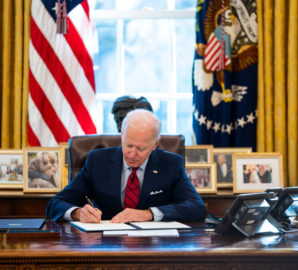
While President Biden’s memorandum provides a welcome change to the dangerous situation established by the Trump administration, it only partly restores the status quo of four years ago. The timing, presentation, and language of the actions indicate that abortion rights advocates will have to continue to fight to make abortion rights a bigger priority for the Biden administration.
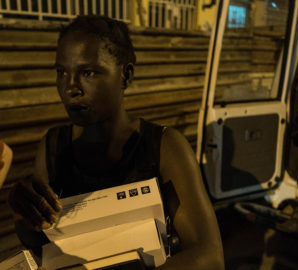
In a country with one of the highest HIV prevalence rates in the world, a sex worker-led health care model succeeds in serving its own community.

In spite of the high mortality rate, large numbers of refugees are still continuing to cross. And for pregnant women, the road to Europe is all the more perilous.
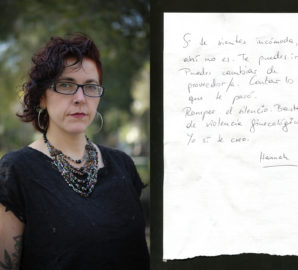
Specialists in sexual and reproductive health say that gynecological violence is a form of violence with many varied expressions, from unnecessary procedures, the pathologization of physiological processes, medical misinformation and maltreatment, aggressive practices that provoke harm and injuries, and even inappropriate and violating comments like those that both women heard — all of which are experienced during gynecological care beyond pregnancy, childbirth, and puerperium.